Here's why:
* Freezing temperatures are too cold for most bacteria to multiply. Freezing temperatures around 0°F (-18°C) create an environment where most bacteria can't reproduce.
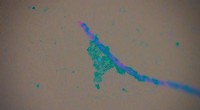
* Bacteria can still survive in frozen food. They become dormant, but don't die. Once the food thaws, the bacteria can become active again.
* Freezing can actually increase bacterial growth in some cases. This is because the freezing process can damage cell walls, making bacteria more susceptible to damage when they thaw.
Key takeaways:
* Freezing helps preserve food by slowing down bacterial growth, but it doesn't kill them.
* It's essential to follow safe thawing and cooking practices to ensure that frozen food is safe to eat.
* Always follow the recommended storage times and temperatures for frozen foods.
Let me know if you have any other questions!