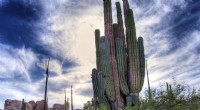
* Plants are autotrophs: They make their own food through photosynthesis. Chloroplasts are the organelles responsible for this process. They contain chlorophyll, a pigment that captures sunlight and uses it to convert carbon dioxide and water into glucose (sugar) and oxygen.
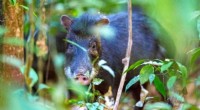
* Animals are heterotrophs: They obtain energy by consuming other organisms. They don't have chloroplasts because they don't need to make their own food.
In summary:
* Chloroplasts are essential for photosynthesis, which is how plants obtain energy.
* Animals do not perform photosynthesis and therefore don't need chloroplasts.