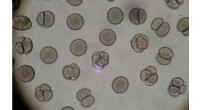
Here are some key characteristics of unicellular organisms:
* Simple structure: They lack complex organ systems found in multicellular organisms.
* Self-sufficient: Each cell is capable of carrying out all life processes independently.
* Microscopic size: They are generally too small to be seen with the naked eye.
* Diverse: They encompass a vast array of species, including bacteria, archaea, protozoa, and some algae.
Examples of unicellular organisms:
* Bacteria: Found in various environments, they play crucial roles in nutrient cycling and can cause diseases.
* Amoeba: A type of protozoa that moves and feeds using pseudopodia (temporary extensions of its cytoplasm).
* Paramecium: Another protozoa known for its slipper-like shape and its use of cilia for movement.
* Yeast: A type of fungus that is essential for bread making and alcoholic fermentation.
Importance of unicellular organisms:
* Ecological balance: They play vital roles in ecosystems, such as decomposing organic matter and fixing nitrogen.
* Human health: Some are beneficial, while others cause diseases.
* Biotechnology: They are used in various industries, including food production, pharmaceuticals, and bioremediation.
In summary, unicellular organisms are fascinating and crucial components of life on Earth, demonstrating the simplicity and complexity of life at its most fundamental level.