1. Flexibility and Movement: Cell membranes are flexible and allow for changes in cell shape. This is crucial for animals, who need to move and change shape for various functions like locomotion, digestion, and immune responses. Plant cell walls are rigid, providing structural support but hindering movement.
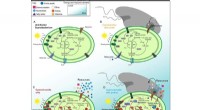
2. Endocytosis and Exocytosis: Animal cells use processes like endocytosis and exocytosis to take in nutrients and expel waste. These processes require the membrane to be fluid and able to fold and form vesicles. Cell walls are impermeable and would prevent these processes.
3. Cell Signaling and Communication: The cell membrane plays a critical role in cell signaling and communication. Receptors embedded in the membrane bind to signaling molecules, triggering internal responses. Cell walls would interfere with this process.
4. Cell Division: During cell division, animal cells undergo a process called cytokinesis, where the cell membrane pinches inwards to divide the cytoplasm. This requires a flexible membrane. Plant cells have a rigid cell wall, so they form a new cell wall between the daughter cells.
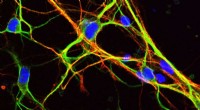
5. Intercellular Communication: Animal cells communicate with each other through specialized junctions that connect their membranes. These junctions allow for the passage of molecules and signals between cells, facilitating coordination and tissue function. Cell walls would prevent such communication.
In summary, cell membranes provide animal cells with the necessary flexibility, dynamic nature, and communication abilities that are essential for their survival and function.