1. Sexual Reproduction:
* Most univalves are dioecious, meaning they have separate sexes (male and female).
* Fertilization is usually external, with the male releasing sperm into the water, which then finds its way to the female's eggs.
* Some species are hermaphroditic, meaning they have both male and female reproductive organs. In these cases, fertilization can be either self-fertilization or cross-fertilization.
* Univalves lay eggs, which can be laid in gelatinous masses, capsules, or even attached to surfaces like rocks.
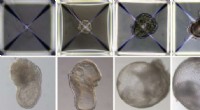
* The eggs hatch into veliger larvae, a free-swimming stage that eventually settles and transforms into an adult.
2. Asexual Reproduction (Rare):
While sexual reproduction is the dominant mode, some univalve species can reproduce asexually through fragmentation. This means a part of the animal breaks off and develops into a new individual.
Key Points to Remember:
* The vast majority of univalves reproduce sexually.
* Fertilization is typically external, but hermaphroditic species can have self or cross-fertilization.
* Univalves lay eggs, which hatch into veliger larvae.
* Asexual reproduction is rare but can occur through fragmentation in some species.
Let me know if you have any other questions!