1. Skeletal Muscle:
* Appearance: Striated (striped) and voluntary.
* Function: Responsible for movement of bones and other structures.
* Location: Attached to bones, skin, and other muscles.
* Features:
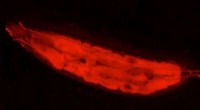
* Multinucleated cells (muscle fibers) with a long, cylindrical shape.
* Striations are caused by the arrangement of contractile proteins, actin and myosin.
* Voluntary control by the nervous system.
* Rapid, forceful contractions.
2. Smooth Muscle:
* Appearance: Non-striated (smooth) and involuntary.
* Function: Controls movement of internal organs, blood vessels, and other structures.
* Location: Walls of hollow organs like the stomach, intestines, bladder, and blood vessels.
* Features:
* Single, spindle-shaped cells with a single nucleus.
* No striations because the contractile proteins are arranged differently.
* Involuntary control by the autonomic nervous system and hormones.
* Slow, sustained contractions.
3. Cardiac Muscle:
* Appearance: Striated (striped) and involuntary.
* Function: Pumps blood throughout the body.
* Location: Walls of the heart.
* Features:
* Branched, interconnected cells with a single nucleus.
* Striations similar to skeletal muscle, but the cells are shorter and branched.
* Involuntary control by the autonomic nervous system.
* Rhythmic, continuous contractions.
Here's a table summarizing the key differences:
| Feature | Skeletal Muscle | Smooth Muscle | Cardiac Muscle |
|---|---|---|---|
| Appearance | Striated | Non-striated | Striated |
| Control | Voluntary | Involuntary | Involuntary |
| Location | Attached to bones, skin, and other muscles | Walls of hollow organs, blood vessels | Walls of the heart |
| Cell Shape | Long, cylindrical, multinucleated | Spindle-shaped, single nucleus | Branched, single nucleus |
| Contraction Speed | Fast, forceful | Slow, sustained | Rhythmic, continuous |
Understanding these distinctions is essential for comprehending the complex functions of the muscular system.