1. Cell Structure:
* Fungi: Have cell walls made of chitin, a tough polysaccharide (unlike plant cell walls, which are made of cellulose). They are eukaryotic (have a nucleus), but lack chloroplasts and cannot photosynthesize.
* Plants: Have cell walls made of cellulose and chloroplasts for photosynthesis.
* Animals: Lack cell walls and chloroplasts.
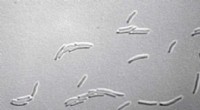
* Bacteria and Archaea: Prokaryotic, meaning they lack a nucleus and other membrane-bound organelles.
2. Nutrition:
* Fungi: Heterotrophic, meaning they obtain their nutrients from organic sources. They are mainly saprotrophic, meaning they decompose dead organic matter, but some are parasitic or symbiotic.
* Plants: Autotrophic, meaning they produce their own food through photosynthesis.
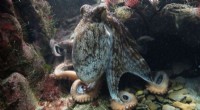
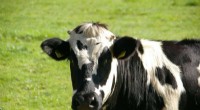
* Animals: Heterotrophic, obtain nutrients by consuming other organisms.
* Bacteria and Archaea: Can be heterotrophic or autotrophic, with various metabolic strategies.
3. Reproduction:
* Fungi: Reproduce through spores, which are dispersed by wind or water. Some fungi also reproduce sexually.
* Plants: Reproduce through seeds, spores (in ferns and mosses), or vegetative methods.
* Animals: Reproduce sexually, with the fusion of male and female gametes.
* Bacteria and Archaea: Reproduce asexually through binary fission or budding.
4. Body Structure:
* Fungi: Typically have a filamentous structure called a mycelium, composed of hyphae (thread-like structures). Some fungi also have fruiting bodies (like mushrooms) for spore production.
* Plants: Typically have roots, stems, and leaves.
* Animals: Have a wide variety of body forms and structures.
* Bacteria and Archaea: Unicellular organisms.
5. Ecology:
* Fungi: Play a vital role in ecosystems as decomposers, breaking down dead organic matter and recycling nutrients. They also form important symbiotic relationships with plants (mycorrhizae) and animals.
* Plants: Form the basis of most food chains as producers, converting sunlight into energy.
* Animals: Consumers in food chains, consuming plants or other animals.
* Bacteria and Archaea: Found in diverse environments, including extreme conditions, and play important roles in nutrient cycling, decomposition, and symbiosis.
In summary, fungi are a unique and diverse kingdom with distinct characteristics in terms of cell structure, nutrition, reproduction, body structure, and ecological roles. They are essential components of our planet's ecosystems and play crucial roles in nutrient cycling, decomposition, and symbiotic relationships.