1. DNA Sequencing and Phylogenetic Analysis:
* Comparing DNA sequences: Biologists compare the sequences of specific genes or even entire genomes of different organisms. The more similar the sequences, the more closely related the organisms are.
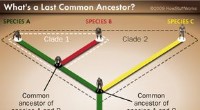
* Constructing phylogenetic trees: Based on these DNA sequence comparisons, biologists build phylogenetic trees, which illustrate the evolutionary relationships between different organisms. These trees show which species share a common ancestor and how long ago they diverged.
2. RNA Sequencing and Gene Expression Analysis:
* Comparing RNA sequences: Similar to DNA, RNA sequences can be compared to understand evolutionary relationships, especially for closely related species.
* Analyzing gene expression: RNA sequencing reveals which genes are actively transcribed in an organism. This information can help identify unique adaptations and metabolic pathways, providing insights into the organism's lifestyle and evolutionary history.
3. Molecular Clocks:
* Estimating divergence times: The rate of mutation in DNA and RNA can be used as a molecular clock. By comparing sequences and analyzing mutation rates, biologists can estimate how long ago different organisms diverged from a common ancestor.
4. Identifying Specific Genetic Markers:
* Ribosomal RNA (rRNA): rRNA genes are highly conserved across different species, making them valuable for studying evolutionary relationships, particularly at the higher taxonomic levels (e.g., kingdoms and phyla).
* Mitochondrial DNA (mtDNA): mtDNA evolves relatively quickly, making it useful for studying relationships within species and populations.
* Microsatellites: These highly variable DNA regions are useful for identifying genetic differences within species, especially for population genetics and conservation studies.
5. Horizontal Gene Transfer:
* Understanding evolution in microbes: In prokaryotes and some eukaryotes, horizontal gene transfer (HGT) can occur, where genes are exchanged between unrelated organisms. By analyzing DNA sequences, biologists can identify HGT events and understand how they have shaped the evolution of these organisms.
Overall Benefits:
* More accurate classifications: DNA and RNA analysis provide a more objective and data-driven approach to classification compared to traditional methods relying on morphology and anatomy.
* Revealing hidden relationships: Molecular data often reveals evolutionary relationships that are not apparent from physical characteristics alone.
* Understanding evolutionary processes: Analyzing DNA and RNA helps researchers understand the mechanisms of evolution, including mutation, gene flow, and natural selection.
In conclusion, DNA and RNA analysis have revolutionized the field of taxonomy, providing a powerful tool for understanding the evolutionary relationships between organisms. By comparing sequences, analyzing gene expression, and utilizing molecular clocks, biologists are constantly refining our knowledge of the tree of life.