Storing Energy from Biological Membranes:
* Mitochondria: These are the powerhouses of the cell and are responsible for generating ATP (adenosine triphosphate), the main energy currency of cells. They do this through oxidative phosphorylation, which uses the potential energy stored in the electrochemical gradient across the mitochondrial inner membrane.
* Chloroplasts (in plants): These organelles use light energy to convert carbon dioxide and water into sugars through photosynthesis. This process involves the use of a proton gradient across the thylakoid membrane within the chloroplast.
Storing Energy from Chemical Messengers:
* Many different cell types: Chemical messengers, like hormones, can trigger a variety of responses in cells, including energy storage.
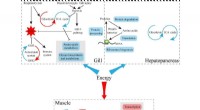
* Fat cells (adipocytes): These cells store energy in the form of triglycerides (fats) and can be stimulated by hormones like insulin to take up and store energy.
* Muscle cells: These cells can store energy in the form of glycogen (a complex carbohydrate) and can be stimulated by hormones like adrenaline to release this stored energy for use.
* Liver cells: These cells play a central role in energy metabolism, storing and releasing glucose, and responding to various hormones.
Important Note:
While cells can store energy from chemical messengers, they typically don't directly store the messenger molecules themselves. They store the energy derived from these messengers in the form of other molecules like glycogen or fat.
In Summary:
* Mitochondria and chloroplasts: store energy from biological membranes.
* Fat cells, muscle cells, and liver cells (among others): respond to chemical messengers by storing or releasing energy.
If you have a more specific question about a particular type of cell or energy storage mechanism, please let me know!