Here's a breakdown:
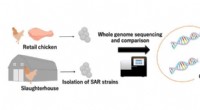
* DNA profiling is a more general term that encompasses various techniques for analyzing DNA variations.
* DNA fingerprinting is a more specific term referring to a particular technique that focuses on highly variable regions of DNA called short tandem repeats (STRs). These are short sequences of nucleotides that repeat multiple times in a row.
Both methods utilize the fact that individuals have unique combinations of these repetitive sequences, making it possible to distinguish one person from another. This is crucial for:
* Forensic investigations: Matching DNA evidence from a crime scene to a suspect.
* Paternity testing: Determining biological parentage.
* Identifying missing persons: Comparing DNA samples to databases.
* Medical research: Understanding genetic variations and disease susceptibility.