Estivation is a state of inactivity and lowered metabolism that some animals enter during periods of extreme heat and drought. Here are some examples of animals that estivate:
Invertebrates:
* Snails: Many land snails estivate by sealing themselves inside their shells with a mucus membrane to prevent water loss.
* Earthworms: Earthworms burrow deep into the soil to escape the heat and dryness.
* Insects: Some insects, like cicadas, enter a state of dormancy called diapause during dry periods.
Vertebrates:
* Lungfish: These fish burrow into mud and secrete a mucus cocoon to survive drought conditions.
* Frogs and Toads: Some species burrow into mud or under logs to escape the heat.
* Turtles: Some turtles may estivate in burrows or under logs during hot weather.
* Snakes: Certain snake species, like the desert kingsnake, may estivate during the hottest part of the summer.
* Lizards: Some lizards, like the desert iguana, may estivate in burrows or under rocks to escape the heat.
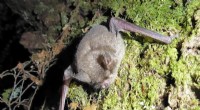
* Mammals: Some small mammals, like the African fat-tailed gerbil, may estivate during the dry season.
Important note: Estivation is not the same as hibernation. Hibernation is a state of inactivity and lowered metabolism that occurs during the winter to conserve energy. Estivation, on the other hand, is a response to heat and dryness.
These are just a few examples of animals that estivate. Many other species exhibit this behavior in various ways to cope with harsh environmental conditions.