1. Concentration Gradients of Ions:
* Higher concentration of potassium ions (K+) inside the cell: The cell actively pumps potassium ions into the cell, creating a higher concentration inside than outside. This potassium influx makes the interior more negative.
* Lower concentration of sodium ions (Na+) inside the cell: The cell actively pumps sodium ions out of the cell, maintaining a lower concentration inside. This sodium efflux further contributes to the negative charge inside.
2. Negatively Charged Macromolecules:
* Proteins: Many proteins within the cell are negatively charged due to the presence of amino acids like aspartate and glutamate. These negatively charged proteins contribute to the overall negative charge of the cell.
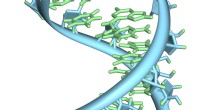
* Nucleic Acids: DNA and RNA are also negatively charged due to the phosphate groups in their structure. These negatively charged molecules contribute to the cell's internal negativity.
3. Membrane Permeability:
* Cell membranes are selectively permeable: They allow some ions to pass through more easily than others. The cell membrane is more permeable to potassium ions than sodium ions, further contributing to the higher concentration of potassium inside and the negative charge.
4. Active Transport:
* Sodium-potassium pump: This crucial protein actively pumps three sodium ions out of the cell for every two potassium ions pumped in. This process consumes energy and helps maintain the concentration gradients of these ions, contributing to the negative charge inside the cell.
Significance of Negative Charge:
* Membrane Potential: The difference in charge between the inside and outside of the cell creates a membrane potential, which is essential for various cellular functions:
* Nerve impulse transmission
* Muscle contraction
* Cellular signaling
* Maintaining Cellular Integrity: The negative charge helps maintain the structural integrity of the cell by attracting positively charged ions and repelling negatively charged ions.
* Regulation of Cellular Processes: The negative charge influences the activity of enzymes, transporters, and other cellular components, thereby playing a vital role in cellular processes.
In summary, the negative charge inside living cells results from a combination of active ion pumping, differences in ion permeability, and the presence of negatively charged macromolecules. This negative charge is crucial for maintaining cellular function and plays a vital role in various physiological processes.