Protozoans:
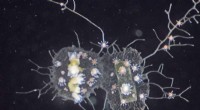
* Unicellular: They are single-celled organisms.
* No true tissues or organs: They have specialized structures within their cell, but not organized into complex tissues.
* Diverse locomotion: They use various methods of movement, including cilia, flagella, or amoeboid movement.
* Examples: Amoeba, Paramecium, Euglena
Rotifers:
* Multicellular: They are made up of multiple cells.
* True tissues and organs: They have specialized tissues organized into organs.
* Ciliated corona: They have a distinctive crown of cilia (called the corona) used for feeding and locomotion.
* Examples: Philodina, Asplanchna, Brachionus
Why they might be mistaken:
* Size: Both protozoans and rotifers can be quite small, ranging from a few micrometers to a few hundred micrometers.
* Movement: Some protozoans, like ciliates, use cilia for movement, which can resemble the corona of a rotifer under low magnification.
* Habitat: Both can be found in similar environments, like freshwater ponds and lakes.
Key Differences:
* Cell Structure: The most fundamental difference is the unicellular nature of protozoans versus the multicellular nature of rotifers.
* Organ systems: Rotifers have specialized organs like a digestive system and a nervous system, while protozoans lack these.
* Corona: The presence of a corona with beating cilia is a defining characteristic of rotifers.
Conclusion:
While the similar size and movement patterns of some protozoans and rotifers can lead to misidentification, their fundamental differences in cellular organization, organ systems, and the presence of a corona make them distinct groups.