Plant Cells:
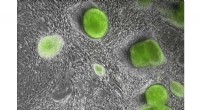
* Osmosis: Pure water has a higher water potential than the cell's cytoplasm. Water moves into the cell by osmosis to try to equalize the water potential.
* Turgor Pressure: The influx of water causes the cell to swell. The cell wall, being rigid, resists the swelling, creating a high internal pressure called turgor pressure.
* Benefit: Turgor pressure is essential for plant cells. It gives them their rigidity and allows them to stand upright.
* No Bursting: Plant cells don't burst because the cell wall provides structural support.
Animal Cells:
* Osmosis: Similar to plant cells, water moves into the animal cell due to the higher water potential of the pure water.
* Swelling: The animal cell swells as water enters.
* Possible Lysis: Unlike plant cells, animal cells lack a rigid cell wall. Excessive water intake can cause the cell membrane to stretch beyond its limit, leading to cell lysis (bursting).
* Importance of Homeostasis: Animal cells need to maintain a balance of water and solutes within their internal environment (homeostasis). Pure water creates a significant imbalance, which can be dangerous.
In Summary:
* Osmosis: The movement of water across a semipermeable membrane from an area of high water potential to an area of low water potential.
* Plant Cells: Benefit from water intake, gaining turgor pressure and rigidity.
* Animal Cells: Can swell and potentially burst if exposed to pure water for extended periods.
Let me know if you'd like more detail on any of these points!