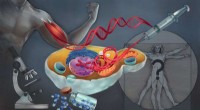
1. Sex Chromosomes:
- Humans have 23 pairs of chromosomes, with one chromosome from each pair inherited from the mother and the other from the father.
- One pair of these chromosomes, called the sex chromosomes, determines an individual's sex.
- Females have two X chromosomes (XX).
- Males have one X chromosome and one Y chromosome (XY).
2. The Role of the Y Chromosome:
- The Y chromosome is much smaller than the X chromosome and carries a gene called SRY (Sex-determining Region Y).
- This gene is responsible for triggering the development of male characteristics.
3. Development of Male and Female Traits:
- In the absence of the SRY gene, an embryo will develop as female.
- The presence of the SRY gene on the Y chromosome triggers the production of a protein called Testis-determining factor (TDF).
- TDF initiates a cascade of events leading to the development of testes, which produce male hormones like testosterone.
- These hormones influence the development of male secondary sex characteristics like facial hair, a deeper voice, and a more muscular build.
4. Other Factors:
- While sex chromosomes are the primary determinant of sex, other factors can influence sexual development.
- For example, some genetic mutations or environmental factors can disrupt the normal process of sex determination.
5. Sex Determination in Other Species:
- Sex determination varies among different species. Some animals use temperature-dependent sex determination, while others use a system of multiple sex chromosomes.
In summary: The presence or absence of the Y chromosome, specifically the SRY gene, is the key factor in determining sex in humans. This leads to the development of male or female characteristics based on hormonal influences.