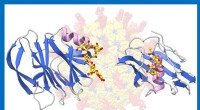
TC cells, also known as cytotoxic T lymphocytes (CTLs), are a type of white blood cell that play a crucial role in cell-mediated immunity. Their primary function is to identify and destroy infected or cancerous cells, making them a vital part of your body's defense system.
Here's a breakdown of their key features and actions:
What makes them special?
* Specificity: TC cells recognize and target specific antigens, which are unique molecules found on the surface of infected or cancerous cells. This means they only attack the cells they are programmed to target, minimizing collateral damage.
* Direct destruction: Unlike other immune cells that rely on indirect mechanisms, TC cells directly kill their target cells through a process called apoptosis. This programmed cell death ensures a controlled and efficient elimination of the threat.
How they work:
1. Activation: TC cells are activated by antigen-presenting cells (APCs), like macrophages and dendritic cells. These APCs engulf pathogens or tumor cells and display fragments of their antigens on their surface, presenting them to the TC cells.
2. Recognition: TC cells have specialized receptors called T cell receptors (TCRs) that recognize and bind to specific antigens presented by APCs.
3. Proliferation and differentiation: Upon recognizing their target antigen, TC cells undergo clonal expansion, producing more copies of themselves with the same TCR specificity. These cells also differentiate into effector TC cells, ready to attack infected or cancerous cells.
4. Destruction: Effector TC cells release cytotoxic molecules like granzyme and perforin, which induce apoptosis in the target cells. These molecules create pores in the cell membrane, allowing granzyme to enter and activate enzymes that trigger cell death.
Importance in immunity:
* Fighting infections: TC cells are essential for controlling viral infections, like influenza and HIV, by eliminating infected cells before the virus can spread further. They also play a role in combating bacterial infections.
* Cancer surveillance: TC cells constantly patrol the body, looking for cancerous cells. They recognize and destroy these cells, preventing them from growing and spreading.
* Transplant rejection: TC cells are also responsible for rejecting transplanted organs or tissues that are not genetically matched with the recipient's body.
Understanding TC cells is vital for:
* Developing new therapies: Targeting TC cells with immunotherapy techniques, like CAR T-cell therapy, shows promising results in fighting cancer and other diseases.
* Understanding autoimmune diseases: Dysregulation of TC cell activity can lead to autoimmune diseases, where the immune system mistakenly attacks healthy cells.
In conclusion, TC cells are critical components of your immune system, acting as vigilant guardians that protect you from infections and cancer. Their ability to identify and destroy specific targets makes them essential for maintaining your health and well-being.