Bioinvasion, also known as biological invasion, occurs when a species, often introduced by humans, establishes itself in a new ecosystem where it wasn't originally present. These introductions can cause significant ecological and economic damage. Here are some notable examples across various ecosystems:
1. Aquatic Environments:
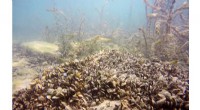
* Zebra Mussels (Dreissena polymorpha): These tiny freshwater mussels, native to the Black and Caspian Seas, were introduced to the Great Lakes of North America in the 1980s. They spread rapidly, clogging water intake pipes, outcompeting native species, and altering the food web.
* Lionfish (Pterois volitans and Pterois miles): Introduced to the Caribbean Sea, these venomous fish have decimated native populations, causing significant ecological disruption.
* Sea Lamprey (Petromyzon marinus): This parasitic fish, native to the Atlantic Ocean, entered the Great Lakes through shipping canals and caused severe damage to fisheries by attaching to and feeding on native fish.
* Asian Carp (multiple species): Introduced to the Mississippi River system for aquaculture, these invasive carp compete with native fish for food and can cause significant ecological damage through their feeding habits.
2. Terrestrial Environments:
* Emerald Ash Borer (Agrilus planipennis): This beetle, originating in Asia, was introduced to North America and has devastated ash trees across the continent, leading to significant economic loss and ecological damage.
* Kudzu (Pueraria montana): This vine, native to East Asia, was introduced to the United States in the 19th century. It grows rapidly, suffocating native vegetation and creating thick, impenetrable masses.
* Burmese Python (Python bivittatus): Introduced to Florida through the pet trade, this snake has become an apex predator in the Everglades, decimating native species populations and causing ecological imbalances.
* Gypsy Moth (Lymantria dispar): This moth, native to Eurasia, was introduced to the United States in the 1860s and has defoliated millions of acres of forest, causing significant economic damage.
3. Agricultural Environments:
* Africanized Honey Bee (Apis mellifera scutellata): Known as "killer bees", this species was introduced to South America and has since spread throughout the Americas. They are more aggressive than European honey bees and have caused numerous stings and fatalities.
* Brown Tree Snake (Boiga irregularis): This snake, native to Australia and Papua New Guinea, was introduced to Guam in the 1940s. It has caused the extinction of many native bird and reptile species.
* Purple Loosestrife (Lythrum salicaria): This flowering plant, native to Eurasia, was introduced to North America in the 19th century. It grows aggressively, displacing native vegetation and reducing biodiversity.
4. Urban Environments:
* Norway Rat (Rattus norvegicus): This invasive rodent is found globally in urban areas, competing with native species, spreading diseases, and causing damage to buildings and infrastructure.
* European Starling (Sturnus vulgaris): Introduced to North America in the late 19th century, this bird has become a common sight in cities, displacing native birds and causing crop damage.
These are just a few examples of the numerous bioinvasions that have occurred around the world. The consequences of bioinvasion can be severe, leading to ecosystem disruption, economic loss, and human health risks. Understanding the mechanisms of bioinvasion and implementing preventive measures is crucial to mitigating this global threat.