Here's a breakdown:
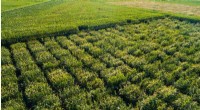
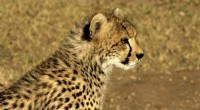
* Habitat: A specific place within an ecosystem that provides the necessary resources for an organism to thrive. This includes:
* Food: A source of energy and nutrients.
* Water: For drinking, regulating body temperature, and carrying nutrients.
* Shelter: Protection from predators, weather, and other environmental factors.
* Space: Enough room to move around, find food, and establish a territory.
* Suitable temperature and climate: Conditions that the organism can tolerate.
* Sunlight: For plants to photosynthesize, or for animals that rely on sunlight for warmth.
Example: A forest is a habitat for many different organisms, like squirrels, deer, and birds. Each species has its own specific niche within the forest, utilizing the resources available to them.
Note: While "habitat" is a common term, "niche" is also related and describes the organism's role or function within its environment.