1. Carbohydrates:
* Energy Source: Carbohydrates are the primary source of energy for our bodies. They are broken down into glucose, which is used by cells for respiration and ATP production.
* Structural Support: Carbohydrates like cellulose provide structural support in plant cell walls, which are important for our diet.
* Cell Recognition: Carbohydrates on cell surfaces act as markers for cell-to-cell communication and recognition.
2. Lipids (Fats & Oils):
* Energy Storage: Fats are a more efficient energy storage form than carbohydrates. They provide twice as much energy per gram.
* Insulation: Fats help insulate our bodies, preventing heat loss and maintaining a stable internal temperature.
* Hormone Production: Some lipids, like cholesterol, are essential for the production of steroid hormones.
* Cell Membranes: Phospholipids form the structural basis of cell membranes, regulating what enters and exits the cell.
3. Proteins:
* Structure & Support: Proteins provide structural support for tissues and organs, like collagen in skin and bones.
* Enzymes: Enzymes are protein catalysts that speed up biochemical reactions essential for life, such as digestion and metabolism.
* Hormones: Some proteins act as hormones, regulating various bodily functions.
* Antibodies: Antibodies, part of our immune system, are proteins that fight infections by binding to and neutralizing foreign substances.
* Transport: Proteins like hemoglobin in red blood cells transport oxygen throughout the body.
4. Nucleic Acids:
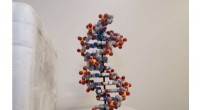
* Genetic Information: DNA (deoxyribonucleic acid) stores the genetic information that determines our traits and characteristics.
* Protein Synthesis: RNA (ribonucleic acid) plays a crucial role in protein synthesis, translating the genetic code into functional proteins.
* Energy Transfer: ATP (adenosine triphosphate), a nucleotide, is the primary energy currency of cells.
In summary:
Organic macromolecules are the foundation of life, providing energy, structure, and the tools for complex biological processes. Without them, our bodies couldn't function and survive. They are essential for everything from basic cellular functions to complex physiological processes, highlighting their vital role in human biology.