1. Complexity of the Process:
* Eukaryotic cell division: Involves a complex and highly regulated process called mitosis or meiosis, with multiple stages and the participation of various cellular structures (like the nucleus, chromosomes, spindle fibers, etc.).
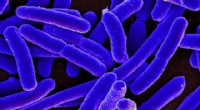
* Prokaryotic cell division: A simpler process called binary fission, where a single circular chromosome replicates and the cell divides into two identical daughter cells.
2. Presence of a Nucleus:
* Eukaryotic cells: Possess a membrane-bound nucleus that houses the genetic material (DNA) in the form of chromosomes. The nucleus plays a critical role in organizing and segregating the DNA during division.
* Prokaryotic cells: Lack a nucleus, and their DNA is located in a region called the nucleoid, which is not enclosed by a membrane.
3. Chromosome Structure:
* Eukaryotic cells: Have linear chromosomes, each containing a single DNA molecule complexed with proteins. These chromosomes are tightly packed and organized during division.
* Prokaryotic cells: Have a single, circular chromosome, usually smaller and less complex than eukaryotic chromosomes.
4. Organelle Replication:
* Eukaryotic cells: Contain various membrane-bound organelles, like mitochondria and Golgi apparatus. These organelles also need to replicate and be distributed to the daughter cells during division.
* Prokaryotic cells: Lack complex organelles, simplifying the division process.
5. Cytokinesis:
* Eukaryotic cells: Cytokinesis (division of the cytoplasm) occurs through a process involving the formation of a cleavage furrow, which pinches the cell into two daughter cells.
* Prokaryotic cells: Cytokinesis involves the inward growth of the plasma membrane, creating a septum that divides the cell.
In summary, eukaryotic cell division is a more complex and highly regulated process compared to prokaryotic cell division, which is simpler and more direct. This reflects the greater complexity of eukaryotic cells and their need for precise and coordinated division.