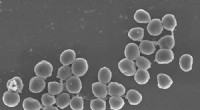
* Epithelial tissue: This tissue type is characterized by closely packed cells with minimal extracellular space. It forms linings of organs and cavities, and it plays a role in protection, secretion, absorption, and excretion.
* Muscle tissue: This tissue type is made up of cells that are specialized for contraction. There are three types of muscle tissue: skeletal, smooth, and cardiac.
While connective tissue and nervous tissue have cells, they also have significant amounts of extracellular matrix. Therefore, they are not considered highly cellular.
Here's a breakdown of the other primary tissue types:
* Connective tissue: This tissue type is characterized by cells that are scattered in a matrix of extracellular material. This matrix can be solid, liquid, or gel-like and contains fibers such as collagen and elastin. Connective tissue provides support, structure, and protection to other tissues and organs.
* Nervous tissue: This tissue type is composed of neurons and glial cells. Neurons are specialized for transmitting information throughout the body, while glial cells support and protect neurons. While nervous tissue contains many cells, it also has significant amounts of extracellular material, including myelin, which surrounds nerve fibers.
In summary, epithelial and muscle tissues are considered highly cellular due to their primarily cellular composition with minimal extracellular matrix.




![Aerial Roots: How Plants Grow Above Ground | [Your Brand/Website Name]](https://www.scienceaq.com/article/uploadfiles/202210/2022102100370722_S.jpg)