1. The Bactrian camel's ecological niche:
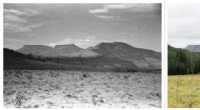
* Habitat: Bactrian camels are native to the cold, arid steppes of Central Asia. They thrive in environments with sparse vegetation, harsh winters, and extreme temperatures.
* Diet: Bactrian camels are herbivores, mainly grazing on grasses, shrubs, and even thorny plants. Their ability to survive on limited water and rough vegetation allows them to thrive in harsh environments.
* Adaptations: Bactrian camels have unique adaptations for survival in the desert, including:
* Two humps: These store fat, providing energy reserves during periods of scarcity.
* Thick fur: Provides insulation against cold temperatures.
* Large hooves: Provide good traction on sandy surfaces.
* The ability to tolerate high salt concentrations in their water: This is vital in their arid environment.
2. The historical role of Bactria in Central Asia:
* Ancient Bactria was a powerful kingdom located in modern-day Afghanistan and Tajikistan. It played a significant role in the Silk Road trade and influenced the cultural and economic development of the region.
* Bactrian culture left a lasting legacy in art, architecture, and religion.
* Bactrian influence spread throughout Central Asia and beyond.
Please clarify your question:
* Could you provide more context about where you encountered the term "Bactrian niche"?
* Are you interested in the ecological role of the Bactrian camel, the historical significance of Bactria, or something else entirely?
Once you provide more information, I can give you a more precise answer.