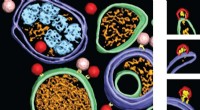
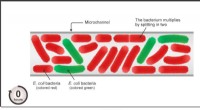
* Structure and Function: Specialized cells have unique structures, including specific organelles, shapes, and components, that are tailored to their particular role.
* Examples:
* Muscle cells: Long, cylindrical shape with numerous mitochondria for energy production, allowing for contraction and movement.
* Nerve cells (neurons): Long, branching axons and dendrites for transmitting electrical impulses throughout the body.
* Red blood cells: Lack nuclei and have a biconcave shape to maximize oxygen carrying capacity.
* Plant cells: Possess chloroplasts for photosynthesis and cell walls for structural support.
* Advantages of Specialization:
* Efficiency: Specialized cells perform their tasks more effectively than general-purpose cells.
* Complex Organisms: Allows for the development of complex organisms with diverse tissues and organs.
* Division of Labor: Different cell types work together in a coordinated way.
In summary, the specialized structure of cells directly relates to their specific functions, making them highly efficient in carrying out their roles within the larger organism.