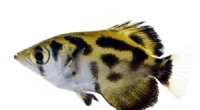
Here are some examples of non-photosynthetic organisms and processes:
Organisms:
* Animals: All animals are non-photosynthetic and rely on consuming other organisms (plants or animals) for energy.
* Fungi: Fungi obtain their nutrients by decomposing organic matter. They don't have chloroplasts and cannot perform photosynthesis.
* Bacteria: While some bacteria are photosynthetic, many others are not. These bacteria obtain energy through various means like chemosynthesis or consuming other organisms.
* Viruses: Viruses are not considered living organisms and cannot perform photosynthesis. They rely on hijacking the cellular machinery of other organisms to reproduce.
Processes:
* Chemosynthesis: Some organisms, like certain bacteria, utilize chemical reactions to produce energy without light. This process is called chemosynthesis.
* Heterotrophy: This refers to the mode of nutrition in which organisms obtain energy by consuming other organisms or organic matter.
* Parasitism: Parasitic organisms obtain nutrients and energy from a living host.
In contrast to non-photosynthetic organisms, photosynthetic organisms like plants, algae, and some bacteria possess chloroplasts and use sunlight, water, and carbon dioxide to produce their own food. They are essential to the food web and play a crucial role in maintaining Earth's oxygen levels.