1. Building and Repairing Tissues:
* Muscles: Proteins are the building blocks of muscle tissue, allowing for movement and strength.
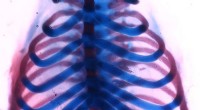
* Bones: Collagen, a protein, provides structure and support for bones.
* Skin, hair, and nails: Keratin, another protein, forms these protective outer layers.
2. Enzymes and Hormones:
* Enzymes: These protein catalysts facilitate biochemical reactions in the body, such as digestion, energy production, and detoxification.
* Hormones: Protein hormones regulate various bodily processes, including growth, metabolism, and reproduction.
3. Immunity and Defense:
* Antibodies: Proteins that identify and neutralize foreign invaders like bacteria and viruses.
* White blood cells: These cells use proteins to fight infections and maintain immune system health.
4. Transport and Storage:
* Hemoglobin: A protein in red blood cells responsible for carrying oxygen throughout the body.
* Lipoproteins: Proteins that transport fats and cholesterol in the bloodstream.
* Iron storage: Ferritin, a protein, stores iron in the body.
5. Energy Source:
* While primarily used for structural and functional roles, proteins can be broken down for energy in times of need.
6. Other Functions:
* Fluid balance: Proteins help maintain the proper balance of fluids in the body.
* Blood clotting: Proteins play a crucial role in forming blood clots to stop bleeding.
* Cell signaling: Proteins transmit signals between cells, coordinating various functions.
In summary, proteins are essential for virtually every aspect of an animal's life, from basic structural components to complex biological processes.