Examples in different contexts:
* Biology:
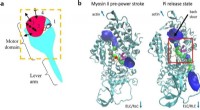
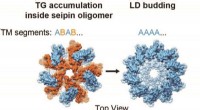
* Cells: The structure of a cell's membrane allows for the selective passage of molecules, essential for maintaining internal balance and communication. The intricate folded structure of proteins determines their specific function, whether it be transporting oxygen, catalyzing reactions, or providing structural support.
* Bones: The porous structure of bones provides strength and lightness, allowing for movement while protecting vital organs.
* Eyes: The shape and structure of the lens and cornea focus light onto the retina, enabling vision.
* Engineering:
* Bridges: The arch shape of a bridge distributes weight and force efficiently, ensuring stability.
* Buildings: The structural design of a building dictates its ability to withstand wind, earthquakes, and other forces.
* Aircraft: The aerodynamic shape of an airplane wing allows for lift and efficient flight.
* Chemistry:
* Molecules: The arrangement of atoms in a molecule determines its reactivity, polarity, and ability to form bonds with other molecules.
* Crystals: The repeating, ordered structure of crystals influences their physical properties like hardness, melting point, and electrical conductivity.
* Social Systems:
* Organizations: The hierarchical structure of a company can affect communication flow, decision-making processes, and overall efficiency.
* Communities: The layout of a city or town impacts transportation, social interaction, and access to resources.
Key principles of structure-function relationship:
* Form follows function: This principle suggests that the structure of an object is determined by its intended function.
* Adaptation: Through natural selection, living organisms evolve structures best suited for their environment and survival needs.
* Efficiency: Optimal structures minimize waste and maximize efficiency in performing their functions.
* Interdependence: The structure of one part can influence the function of other parts, creating a complex and interconnected system.
In summary:
Structure is the blueprint, and function is the result. The specific shape, arrangement, and materials used to create a structure determine its ability to perform a particular task. By understanding the relationship between structure and function, we can design and optimize systems for greater efficiency and effectiveness.