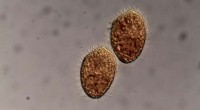
1. Zooplankton: These tiny animals are a crucial part of aquatic ecosystems and are primary consumers of algae. Some examples include:
* Copepods: Small crustaceans that filter algae from the water.
* Rotifers: Microscopic animals with spinning cilia for feeding.
* Cladocerans (water fleas): Tiny crustaceans that graze on algae.
2. Fish: Many fish species, especially those in freshwater and marine environments, rely on algae as a food source, either directly or indirectly. Examples include:
* Herbivorous fish: Some fish, like goldfish and algae eaters, consume algae directly.
* Omnivorous fish: Many fish eat a combination of algae and other organisms.
* Filter feeders: Certain fish, like herring and anchovies, filter algae from the water.
3. Larger marine animals: Even large animals can benefit from algae:
* Whales: Some whale species, like baleen whales, filter massive amounts of algae (krill) from the ocean.
* Sea turtles: Certain species, like green sea turtles, graze on seagrass and algae.
4. Invertebrates: Many invertebrates rely on algae for food:
* Sea urchins: These spiny creatures graze on algae, especially kelp.
* Snails: Some snails are herbivores and feed on algae.
* Mollusks: Certain mollusks, like oysters and mussels, filter algae from the water.
5. Bacteria: Some bacteria are decomposers and break down dead algae, returning nutrients to the ecosystem.
6. Humans: We also consume algae indirectly through the food chain, as algae are a primary food source for many fish and shellfish. Some people also consume algae directly in the form of seaweed, which is a nutritious and delicious ingredient in various dishes.
It's important to note that the type of algae a consumer feeds on depends on the specific species and its environment. This intricate web of relationships between algae and consumers plays a vital role in maintaining the health and balance of our ecosystems.