Here's why synapsids, and by extension pelycosaurs, are important in understanding the link between mammals and reptiles:
* Synapsids were the first amniotes to evolve a single temporal fenestra. This is a hole in the skull behind the eye socket that allows for the attachment of powerful jaw muscles. This feature, unique to synapsids, is present in mammals but absent in most other reptiles.
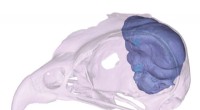
* Synapsids evolved a more mammal-like skull and jaw structure. This includes a larger braincase and a more efficient chewing mechanism.
* Pelycosaurs show some features that prefigure mammalian characteristics. These include:
* Larger brains: While still small compared to mammals, pelycosaur brains were larger than those of their reptilian contemporaries.
* Heterodonty: This means having different types of teeth (incisors, canines, premolars, molars) for different functions.
* Possibly fur: While not conclusive, some pelycosaurs like Dimetrodon may have had fur or hair-like structures.
* Therapsids, a group of advanced synapsids that evolved from pelycosaurs, developed even more mammal-like features. These include a more erect posture, a more efficient respiratory system, and possibly live birth.
It's important to note: While pelycosaurs are closely related to the lineage that led to mammals, they are not directly ancestral. The most recent common ancestor of mammals and reptiles lived long before the appearance of pelycosaurs.
In summary, pelycosaurs, and synapsids in general, offer important insights into the evolution of mammals. They show how early amniotes began to develop features that would eventually lead to the unique characteristics of mammals.