Here are some of the major types of decomposers:
1. Fungi: Fungi are ubiquitous decomposers that break down complex organic molecules like cellulose and lignin. Examples include mushrooms, molds, and yeasts.
2. Bacteria: Bacteria are the most abundant decomposers and are responsible for breaking down a wide variety of organic matter, including proteins, carbohydrates, and fats. They can be found in soil, water, and even the air.
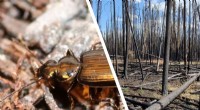
3. Invertebrates: Some invertebrates, such as earthworms, millipedes, and dung beetles, also play a role in decomposition. They break down dead organic matter physically, which makes it easier for other decomposers to access.
4. Other organisms: Other organisms, including some protists and even some plants, can contribute to decomposition in specific situations. For example, some algae break down dead organic matter in aquatic ecosystems.
It's important to remember that decomposition is a complex process that involves the interplay of different organisms. While fungi and bacteria are the primary decomposers, other organisms play important roles in breaking down organic matter and recycling nutrients.