1. Membrane-bound organelles: Eukaryotic cells have a complex internal structure with membrane-bound organelles, such as:
* Nucleus: Contains the cell's DNA and is responsible for controlling cellular activities.
* Mitochondria: Powerhouses of the cell, responsible for energy production through cellular respiration.
* Endoplasmic reticulum: A network of membranes involved in protein synthesis and lipid metabolism.
* Golgi apparatus: Processes and packages proteins for secretion.
* Lysosomes: Contain enzymes that break down waste materials.
Prokaryotes lack these organelles, and their DNA is located in a region called the nucleoid, which is not enclosed by a membrane.
2. Larger size and more complex structure: Eukaryotic cells are typically much larger than prokaryotic cells and have a more complex internal structure. This is due to the presence of organelles that compartmentalize cellular functions.
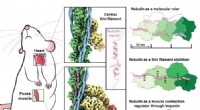
3. Cytoskeleton: Eukaryotic cells have a cytoskeleton, a network of protein fibers that provides structural support, helps with cell movement, and facilitates organelle transport. Prokaryotes lack a true cytoskeleton.
4. Linear chromosomes: Eukaryotic DNA is organized into multiple, linear chromosomes, while prokaryotes have a single, circular chromosome.
5. Cell division: Eukaryotic cells divide by mitosis or meiosis, while prokaryotes divide by binary fission.
6. Sexual reproduction: Eukaryotes can engage in sexual reproduction, which involves the fusion of gametes (sperm and egg) to produce offspring with genetic diversity. Prokaryotes reproduce asexually.
7. External structures: While some prokaryotes have flagella for movement, eukaryotic cells can also have cilia, which are shorter and more numerous, and flagella, which are longer and whip-like.
These differences in cellular structure and organization contribute to the vast diversity of life forms on Earth. Eukaryotic cells are the building blocks of complex multicellular organisms like plants, animals, and fungi, while prokaryotes are primarily single-celled organisms, but they are incredibly abundant and essential for many ecological processes.