Plants:
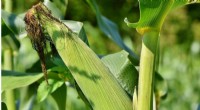
* Support and Structure: Plants are generally immobile and need to maintain their shape against gravity. The rigid cell wall, made of cellulose, provides structural support and allows them to grow tall and upright.
* Protection: The cell wall acts as a barrier, protecting the cell from bursting due to osmotic pressure changes.
* Regulation: The cell wall can control the movement of substances in and out of the cell, helping regulate the internal environment.
Animals:
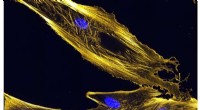
* Movement: Animals are mobile and need flexible cells to allow movement and change shape. A rigid cell wall would restrict this.
* Internal Environment: Animals maintain a relatively stable internal environment (homeostasis), relying on internal mechanisms rather than a rigid outer barrier.
* Cell Communication: Animal cells rely heavily on direct cell-to-cell communication, which is facilitated by the flexibility of their cell membranes.
In summary:
Plants need the rigid support and protection of a cell wall due to their immobile nature and the need to regulate their internal environment. Animals, with their mobility and reliance on internal mechanisms, don't require a cell wall.