Here's a breakdown:
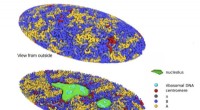
* DNA (Deoxyribonucleic Acid): This is the primary genetic material in most organisms. It contains the instructions for building and maintaining an organism.
* Genes: Segments of DNA that contain the code for specific proteins or functional RNA molecules.
* Proteins: The workhorses of the cell, responsible for a vast array of functions, from catalyzing reactions to providing structural support.
* Traits: Observable characteristics of an organism, often influenced by the proteins produced based on the DNA code.
Here's how it works:
1. DNA contains genes: Each gene holds the code for a specific protein.
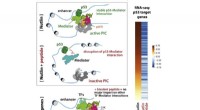
2. Genes are transcribed into RNA: DNA's information is copied into messenger RNA (mRNA).
3. RNA is translated into protein: mRNA travels to ribosomes, where the code is translated into a specific protein.
4. Proteins determine traits: The proteins produced based on the genetic code influence various aspects of an organism's development and function, ultimately contributing to its traits.
While DNA is the primary polymer involved in coding for traits, other polymers play vital roles:
* RNA (Ribonucleic Acid): Different types of RNA, like mRNA, tRNA, and rRNA, are crucial for protein synthesis.
* Proteins: These complex polymers are the products of genes and carry out a wide range of functions that contribute to traits.
In summary, DNA is the primary polymer that codes for traits, with RNA and proteins playing essential roles in the process.