* Spicules: They have a hard, spiky skeleton made of silica or calcium carbonate, called spicules, which make them unpalatable to most animals.
* Chemical defenses: Many sponges produce toxins that deter predators.
* Slow-moving lifestyle: Sponges are sessile organisms, meaning they are attached to a surface and don't move around. This makes them less likely to be targeted by predators.
However, some animals can still graze on sponges, especially their less-protected surfaces:
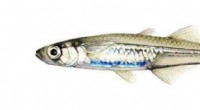
* Fish: Some fish, like pufferfish, can nibble on sponges.
* Nudibranchs: Certain species of nudibranchs, a type of sea slug, are known to feed on sponges. They can even extract the sponge's toxins and use them for their own defense.
* Sea stars: Some sea stars can pull sponges apart to access the softer tissues.
* Other invertebrates: Certain crustaceans, like crabs and lobsters, may also graze on sponges.
It's important to note that the specific predators of a yellow sponge will depend on the specific species and the location where it lives.