1. A nucleus: Protists are eukaryotes, meaning they have a true nucleus that encloses their DNA. Bacteria are prokaryotes, and their DNA is located in a region called the nucleoid, which is not enclosed by a membrane.
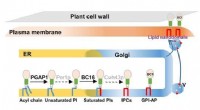
2. Organelles: Protists have various membrane-bound organelles, such as mitochondria, Golgi apparatus, and endoplasmic reticulum. These organelles are responsible for carrying out specific functions within the cell. Bacteria lack these complex organelles.
While there are some exceptions (e.g., some bacteria have membrane-bound structures that resemble organelles), in general, the presence of a nucleus and other membrane-bound organelles are defining characteristics that distinguish protists from bacteria.