These ribosomes, like tiny robots, scurried throughout the cytoplasm, the cell's bustling interior. Here, the mitochondria, powerhouses of the cell, diligently converted sunlight into energy, fueling the entire operation.
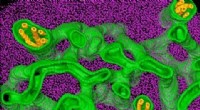
Within the cytoplasm, a network of membranes formed the endoplasmic reticulum, a complex highway system for transporting molecules. Meanwhile, the chloroplasts, green orbs filled with chlorophyll, absorbed the sunlight that nourished the young sunflower. The chlorophyll, a pigment that absorbed light energy, powered the plant's growth.
As the sunflower grew, its cells divided and multiplied, forming tissues, organized groups of similar cells that worked together. These tissues, in turn, came together to form organs, like the leaves and stem, each playing a vital role in the sunflower's life.
Even within the cells, vacuoles, large water-filled sacs, expanded and contracted, helping regulate the cell's internal environment. The sunflower, a seemingly simple organism, was in fact a complex symphony of cooperating cells, each playing its part in a magnificent story of life.