1. Vitamin Precursors for Coenzymes:
* Vitamin B Complex: Many B vitamins are converted into essential coenzymes, which are organic molecules that bind to enzymes and enable their activity.
* Thiamine (B1): Forms thiamine pyrophosphate, a coenzyme for carbohydrate metabolism.
* Riboflavin (B2): Forms FAD and FMN, coenzymes for redox reactions.
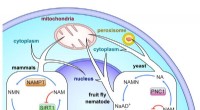
* Niacin (B3): Forms NAD and NADP, coenzymes for numerous metabolic pathways.
* Pantothenic Acid (B5): Forms Coenzyme A, involved in energy production and fatty acid metabolism.
* Pyridoxine (B6): Forms pyridoxal phosphate, essential for amino acid metabolism.
* Biotin (B7): Forms biotin, a coenzyme for carboxylation reactions.
* Folate (B9): Forms tetrahydrofolic acid, a coenzyme for DNA synthesis and amino acid metabolism.
* Cobalamin (B12): Forms cobalamin, a coenzyme for DNA synthesis and fatty acid metabolism.
* Vitamin K: Necessary for the activation of certain enzymes involved in blood clotting and bone metabolism.
2. Structural Components for Enzyme Synthesis:
* Vitamins C and E: These antioxidants protect enzymes from damage caused by reactive oxygen species, which can impair their function.
3. Regulation of Enzyme Activity:
* Vitamin A: Can act as a regulator of gene expression, influencing the production of specific enzymes.
4. Importance for Photosynthesis:
* Vitamin B12: While plants don't need B12 for respiration, some photosynthetic algae use it for their metabolic processes.
In summary:
While vitamins themselves are not directly involved in enzyme activity as cofactors, they play a critical role in supporting enzyme function by:
* Providing precursors for coenzymes
* Maintaining enzyme structure and stability
* Regulating enzyme activity through various pathways
Without adequate vitamins, plants would experience significant disruptions in their metabolism, growth, and overall health.