Single-celled organisms:
* Other amoebas: Some species of amoebas are predatory and will consume other, smaller amoebas.
* Flagellates: These single-celled organisms use whip-like tails to propel themselves and capture prey.
* Ciliates: These single-celled organisms are covered in hair-like cilia that they use for movement and capturing food.
* Heliozoans: These are single-celled organisms with radiating, spiny structures that trap and consume prey.
* Radiolaria: These are single-celled organisms with intricate skeletons that they use for capturing food.
Microscopic invertebrates:
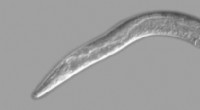
* Nematodes: These roundworms are common in soil and water and can feed on amoebas.
* Rotifers: These microscopic animals have a crown of cilia that they use to draw food into their mouths.
* Tardigrades: These microscopic animals are known as "water bears" and are known for their resilience and ability to survive harsh environments.
* Other invertebrates: Some species of crustaceans, insects, and even small fish can consume amoebas, especially when they are part of a larger food chain.
It's important to note that the specific predators of an amoeba will vary depending on its habitat and the species of amoeba. However, the organisms listed above are some of the most common predators of these single-celled organisms.