The reason you might hear that heart cells have "more DNA" is likely due to the fact that heart cells are polyploid, meaning they have more than two sets of chromosomes. This is different from most other cells in the body, which are diploid and only have two sets of chromosomes.
Here's why heart cells might be polyploid:
* Increased protein production: Heart cells have a high demand for proteins to function properly. Having multiple sets of chromosomes means they have more copies of genes that code for these proteins, allowing them to produce more protein.
* Stress resistance: Polyploidy can make heart cells more resistant to stress, which is important for their long-term survival and function.
* Growth and development: Polyploidy can help heart cells grow and develop properly.
It's important to note that not all heart cells are polyploid. Some cells may only have two sets of chromosomes, while others may have many more. The level of polyploidy can vary between individuals and even within the same heart.
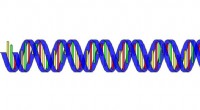
So, while heart cells may have more sets of chromosomes than other cells, they don't have "more DNA" in the sense that they have a larger genome. They simply have more copies of the same genome.