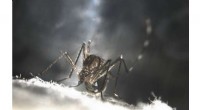
1. Exoskeleton:
* Structure: The spider's exoskeleton, known as the cuticle, is a hard, protective outer shell made of chitin and proteins. It provides support, structure, and defense against predators.
* Function: The exoskeleton acts as a rigid framework, providing attachment points for muscles. However, it's also relatively inflexible.
* Growth: Spiders cannot grow under their exoskeleton. They shed their exoskeleton (molting) to allow for growth and then develop a new, larger one.
2. Hydrostatic Skeleton:
* Structure: Unlike the exoskeleton's rigid structure, the hydrostatic skeleton is a fluid-filled internal chamber. It consists of body cavities and muscles that can be contracted to change the pressure and shape of these cavities.
* Function: This internal pressure acts like a "skeleton," allowing spiders to move their limbs and body parts.
* Flexibility: This hydrostatic pressure system grants spiders exceptional flexibility and allows for a wide range of movement, including:
* Extending and retracting legs: Muscles in the legs can contract and relax, changing the pressure within the limbs to extend or retract them.
* Twisting and bending: The hydrostatic pressure allows for twisting and bending movements, essential for activities like web construction.
* Jumping: Some spiders can jump long distances by using their powerful leg muscles to rapidly increase the hydrostatic pressure in their legs, propelling them into the air.
Interaction of the Exoskeleton and Hydrostatic Skeleton:
* The exoskeleton acts as a rigid base, allowing the muscles to pull and push against it.
* The hydrostatic pressure generated within the body cavities then interacts with the exoskeleton, enabling the movement of limbs and body parts.
In short, spiders rely on a combination of a rigid exoskeleton and a flexible hydrostatic skeleton to perform their movements. This unique combination allows them to achieve a high degree of flexibility and strength, enabling them to accomplish complex tasks like web spinning, prey capture, and quick escapes.