Here are some ways prokaryotes respond to their environment:
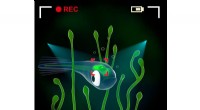
* Chemotaxis: Prokaryotes can move towards or away from chemical stimuli like nutrients or toxins. This is achieved through flagella, which are whip-like appendages that allow for movement.
* Phototaxis: Some prokaryotes can move towards or away from light sources. This is especially important for photosynthetic bacteria that rely on light for energy.
* Osmosis: Prokaryotes can regulate the movement of water across their cell membranes to maintain their internal environment. This helps them survive in environments with varying salt concentrations.
* Quorum sensing: Prokaryotes can communicate with each other using chemical signals. This allows them to coordinate their behavior, for example, forming biofilms or producing toxins.
* Adaptation to extreme environments: Prokaryotes are incredibly diverse and can survive in extreme environments like hot springs, deep-sea vents, and highly acidic or alkaline conditions. They have evolved mechanisms to tolerate these harsh conditions, such as specialized enzymes and protective layers.
In summary: Prokaryotes are not simply passive organisms; they are highly responsive to their environment. Their ability to sense and react to changes is crucial for their survival and allows them to thrive in a wide range of habitats.