The carbon cycle relies on a diverse cast of organisms, each playing a vital role in converting and moving carbon throughout the ecosystem:
1. Primary Producers:
* Plants, algae, and some bacteria: These autotrophs use photosynthesis to capture carbon dioxide from the atmosphere and convert it into organic compounds (sugars) for their own growth. This process stores carbon in their tissues.
2. Consumers:
* Herbivores, carnivores, omnivores: These heterotrophs consume primary producers and other organisms, acquiring carbon stored in their bodies. They release some carbon back into the environment as CO2 through respiration, but also store some in their tissues.
3. Decomposers:
* Fungi and bacteria: These break down dead organisms and waste products, releasing carbon back into the environment as CO2 and methane. They are essential for recycling carbon and preventing its accumulation in dead organic matter.
4. Carbon Sinks:
* Forests, oceans, and soil: These act as reservoirs for long-term carbon storage. Trees store carbon in their wood and roots, oceans absorb CO2 from the atmosphere, and soil contains organic matter that holds carbon.
5. Human Impact:
* Burning fossil fuels, deforestation, and land-use changes: These activities release stored carbon into the atmosphere, increasing greenhouse gas concentrations and contributing to climate change.
The nitrogen cycle involves a series of transformations by different organisms, making nitrogen available for life and ensuring its continuous circulation:
1. Nitrogen Fixation:
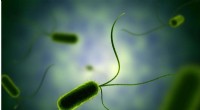
* Nitrogen-fixing bacteria: These specialized microbes convert atmospheric nitrogen gas (N2) into usable forms like ammonia (NH3) and nitrates (NO3-) through enzymatic processes.
2. Nitrification:
* Nitrifying bacteria: These bacteria oxidize ammonia into nitrites (NO2-) and then into nitrates, making nitrogen available for plants.
3. Assimilation:
* Plants: They absorb nitrates and ammonia from the soil and use them to synthesize proteins, nucleic acids, and other essential molecules.
4. Ammonification:
* Decomposers: They break down organic matter from dead organisms and waste, releasing ammonia back into the soil.
5. Denitrification:
* Denitrifying bacteria: These bacteria convert nitrates into nitrogen gas, releasing it back into the atmosphere.
6. Human Impact:
* Industrial nitrogen fixation, fertilizer use, and wastewater discharge: These activities alter natural nitrogen cycles, leading to increased nitrogen pollution in water bodies and atmospheric nitrogen deposition, causing environmental issues.
Both the carbon and nitrogen cycles are interconnected. For example, nitrogen is needed for plant growth, which in turn influences carbon storage through photosynthesis. Human activities significantly disrupt both cycles, emphasizing the importance of understanding and managing these crucial processes for the health of ecosystems and the planet.