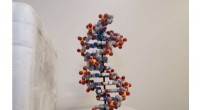
* DNA stays in the nucleus: DNA is the genetic blueprint and resides within the nucleus of the cell. It's not directly involved in the protein synthesis process.
* mRNA is the messenger: The information in DNA is first transcribed into a messenger RNA (mRNA) molecule. This mRNA molecule then carries the genetic code out of the nucleus into the cytoplasm.
* Ribosomes build proteins: In the cytoplasm, the mRNA molecule binds to ribosomes. Ribosomes are the protein-making machinery of the cell. They read the code on the mRNA and use it to assemble amino acids into a protein chain.
So, to summarize:
1. DNA (in the nucleus) provides the code for a protein.
2. This code is transcribed into mRNA.
3. mRNA travels to the ribosomes in the cytoplasm.
4. Ribosomes use the mRNA code to build the protein.
Therefore, decoded DNA doesn't leave the nucleus, and it's the mRNA molecule that carries the genetic information for protein synthesis.