Photosynthesis:
* Energy source: Sunlight
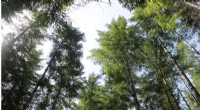
* Process: Organisms like plants, algae, and some bacteria use sunlight, carbon dioxide, and water to produce their own food (glucose) and release oxygen as a byproduct.
* Location: Typically occurs in environments with access to sunlight, like land, surface waters, and the upper layers of the ocean.
Chemosynthesis:
* Energy source: Inorganic chemicals like hydrogen sulfide, methane, or ammonia.
* Process: Certain bacteria (chemoautotrophs) use these chemicals to produce energy and convert carbon dioxide into organic compounds.
* Location: Found in environments devoid of sunlight, such as deep-sea hydrothermal vents, cold seeps, and some caves.
Here's a table summarizing the differences:
| Feature | Photosynthesis | Chemosynthesis |
|---|---|---|
| Energy source | Sunlight | Inorganic chemicals |
| Organisms | Plants, algae, some bacteria | Bacteria (chemoautotrophs) |
| Location | Environments with sunlight | Environments without sunlight |
| Byproduct | Oxygen | Various depending on the chemical used |
In short:
* Photosynthesis uses sunlight as energy to create food.
* Chemosynthesis uses inorganic chemicals as energy to create food.
Both processes are vital for the ecosystem by providing the base of the food chain.