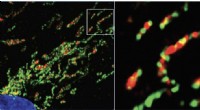
* Eukaryotic cells: These cells have a true nucleus enclosed within a membrane. This nucleus contains the cell's genetic material (DNA). Examples of eukaryotic cells include animal cells, plant cells, fungi cells, and protist cells.
* Prokaryotic cells: These cells lack a membrane-bound nucleus. Their DNA is located in a region called the nucleoid, which is not separated from the rest of the cell by a membrane. Examples of prokaryotic cells include bacteria and archaea.
So, to answer your question more directly:
* Cells with a nucleus are called eukaryotic cells.
* Cells without a nucleus are called prokaryotic cells.