Here are some key characteristics of herbivores:
* Diet: Their diet consists mainly of plants like grasses, leaves, fruits, vegetables, seeds, and nuts.
* Digestive System: Many herbivores have long digestive tracts to allow more time for digestion and have symbiotic relationships with bacteria that help break down cellulose.
* Teeth: Herbivores have teeth adapted for grinding and tearing plant material. They often have wide, flat molars and incisors for biting off plant matter.
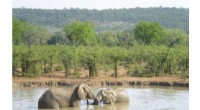
* Examples: Some examples of herbivores include cows, deer, rabbits, elephants, giraffes, and horses.
There are different categories of herbivores based on their diet:
* Grazers: Primarily eat grasses (e.g., cows, horses, zebras)
* Browsers: Primarily eat leaves, shoots, and twigs (e.g., deer, giraffes)
* Frugivores: Primarily eat fruits (e.g., monkeys, bats)
* Granivores: Primarily eat seeds (e.g., squirrels, birds)
Herbivores play a vital role in the ecosystem by converting plant matter into energy for other animals and contributing to nutrient cycling.