Similarities (Reverse Processes):
* Energy Transfer: Both processes involve the transfer of energy. Photosynthesis captures light energy and converts it into chemical energy stored in glucose. Cellular respiration breaks down glucose to release that chemical energy in the form of ATP.
* Key Molecules: Both processes involve the same key molecules, just in different directions:
* Glucose: Produced in photosynthesis, consumed in cellular respiration.
* Oxygen: Produced in photosynthesis, consumed in cellular respiration.
* Carbon Dioxide: Consumed in photosynthesis, produced in cellular respiration.
* Water: Consumed in photosynthesis, produced in cellular respiration.
* Electron Carriers: Both use electron carriers like NADPH and NADH to transfer electrons. Photosynthesis uses NADPH to reduce carbon dioxide, while cellular respiration uses NADH to oxidize glucose.
Differences (Not Reversed):
* Energy Source: Photosynthesis uses light energy as its primary energy source, while cellular respiration uses chemical energy stored in glucose.
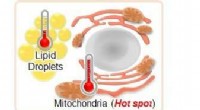
* Location: Photosynthesis occurs in chloroplasts of plant cells, while cellular respiration occurs primarily in the mitochondria of all eukaryotic cells.
* Net Reactants and Products: The overall equations for photosynthesis and cellular respiration are effectively reverse reactions, but the specific steps and intermediate molecules involved are different.
Simplified Summary:
Think of photosynthesis as building a house. You take raw materials (CO2, H2O) and use energy from the sun (light) to create a complex structure (glucose).
Cellular respiration is like tearing down the house. You break down the complex structure (glucose) and release the energy stored within it (ATP).
Here's a table to summarize:
| Feature | Photosynthesis | Cellular Respiration |
|-----------------|---------------------------------------------|------------------------------------------------|
| Energy Source | Light energy | Chemical energy (glucose) |
| Location | Chloroplasts | Mitochondria |
| Main Product | Glucose | ATP (energy currency) |
| Main Reactant | Carbon dioxide (CO2), water (H2O), light | Glucose, oxygen (O2) |
| Electron Carrier | NADPH | NADH |
| Overall Equation | 6CO2 + 6H2O + light energy → C6H12O6 + 6O2 | C6H12O6 + 6O2 → 6CO2 + 6H2O + energy (ATP) |
It's important to remember that these are simplified descriptions, and the actual processes are much more complex and involve numerous intermediate steps.