* Shared ancestry: They originate from the same structure in a common ancestor.
* Similar underlying anatomy: They may have similar bone arrangements, muscle groups, or internal organization, even if their outward appearance or function differ.
* Divergent function: These structures can have different functions in different species.
Examples of Homologous Structures:
* Vertebrate Limbs: The forelimbs of humans, whales, bats, and birds have the same basic bone structure (humerus, radius, ulna, carpals, metacarpals, phalanges), but are adapted for different functions (grasping, swimming, flying, walking).
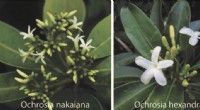
* Plant Flowers: The flowers of different plant species may have different shapes, colors, and sizes, but they share the same basic structure (sepals, petals, stamens, pistil) that evolved from a common ancestor.
* Gill Slits in Vertebrates: Fish use gill slits for breathing, while humans have these slits only in the embryonic stage. The presence of these structures in early development suggests a shared ancestry with fish.
Distinguishing Homologous Structures from Analogous Structures:
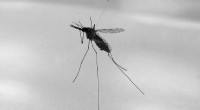
* Analogous structures have similar functions but different underlying anatomy and ancestry. For example, bird wings and insect wings both enable flight but have completely different structures.
* Convergent evolution is the process that leads to analogous structures, where similar environmental pressures lead to similar adaptations in unrelated organisms.
Significance of Homologous Structures:
* Evidence of Common Ancestry: They demonstrate the relatedness of different species and provide strong support for the theory of evolution.
* Understanding Evolutionary History: Studying homologous structures helps us reconstruct the evolutionary history of life on Earth.
* Biomedical Applications: Understanding homologous structures helps in medical research and understanding the development and function of the human body.
In conclusion, homologous structures are powerful evidence of the interconnectedness of life on Earth. They demonstrate the shared ancestry of different organisms and provide insight into the evolutionary processes that have shaped the diversity of life we see today.