* Cellular Respiration Needs Fuel: Cellular respiration is the process where cells break down glucose (a sugar) to release energy in the form of ATP. This energy is used for various cellular functions.
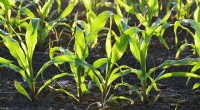
* Photosynthesis Creates Fuel: Photosynthesis is the process where plants and some bacteria use sunlight, carbon dioxide, and water to create glucose (sugar) and oxygen. This glucose is the fuel that is used in cellular respiration.
* Interdependence: Without photosynthesis, there would be no glucose to fuel cellular respiration. Therefore, cellular respiration, as we know it, would not be possible.
However, there are exceptions:
* Other Energy Sources: While photosynthesis is the primary source of glucose for most organisms, some organisms can use other sources of energy for cellular respiration. For example, some bacteria can use hydrogen sulfide or methane.
* Early Earth: In the very early stages of Earth's history, before photosynthesis evolved, there may have been different forms of cellular respiration that used different energy sources.
In conclusion: While some forms of cellular respiration might be possible without photosynthesis, the vast majority of organisms on Earth rely on the glucose produced by photosynthesis to fuel their cellular respiration. These two processes are intricately linked and essential for life as we know it.