1. Function of a single cell in a multicellular organism:
* Basic cellular functions: Every cell performs fundamental tasks like:
* Metabolism: producing and using energy, building and breaking down molecules.
* Growth and reproduction: increasing in size and dividing to create new cells.
* Responding to stimuli: reacting to changes in their environment.
* Maintaining homeostasis: keeping their internal environment stable.
* Specialized functions: Different types of cells in a multicellular organism perform specific functions. Examples include:
* Muscle cells: contracting and relaxing for movement.
* Nerve cells: transmitting signals for communication.
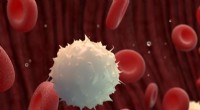
* Blood cells: transporting oxygen, fighting infections.
* Plant cells: photosynthesis, structural support.
2. Function of a single-celled organism:
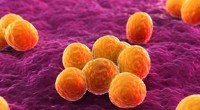
* All functions: A single-celled organism (like bacteria or amoeba) needs to perform all the tasks necessary for survival, including:
* Acquiring nutrients: taking in food or energy.
* Waste removal: eliminating byproducts of metabolism.
* Movement: changing position or navigating the environment.
* Reproduction: creating new organisms.
* Responding to environmental changes: adapting to temperature, pH, and other factors.
3. Function of a single cell in a laboratory setting:
* Cell culture: Scientists grow cells in a controlled environment to study their behavior and processes, like:
* Investigating cell division: understanding how cells replicate.
* Testing drug effects: assessing the impact of medicines on cells.
* Developing new therapies: creating cell-based treatments for diseases.
To understand the specific "single cell function" you're interested in, provide more context or details about the situation. For example, are you asking about the function of a specific cell type, a single-celled organism, or a cell in an experimental setting?