Here's a breakdown of the key groups and their roles:
1. Nitrogen Fixers:
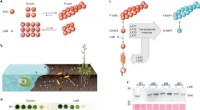
* Rhizobia: These bacteria form symbiotic relationships with legumes (beans, peas, lentils, etc.) and fix atmospheric nitrogen into usable forms like ammonia. This significantly reduces the plant's need for nitrogen fertilizers.
* Azotobacter and Azospirillum: These bacteria can fix nitrogen in the soil without requiring a plant host, contributing to overall nitrogen availability.
2. Phosphate Solubilizers:
* Bacillus and Pseudomonas: These bacteria convert insoluble forms of phosphate in the soil into usable forms for plants, improving phosphorus uptake.
3. Growth Hormone Producers:
* Pseudomonas and Bacillus: Some strains produce auxins, gibberellins, and cytokinins, hormones that regulate plant growth and development.
4. Biocontrol Agents:
* Bacillus, Pseudomonas, and Trichoderma: These bacteria can suppress plant pathogens, reducing disease incidence and improving plant health.
5. Stress Tolerators:
* Bacillus and Pseudomonas: Certain strains can enhance plant tolerance to environmental stresses like drought, salinity, and heavy metals.
Key Points:
* Specificity: Different plant species have different associations with beneficial bacteria.
* Environment: Soil conditions (pH, moisture, nutrient availability) greatly influence bacterial populations.
* Synergy: The benefits of PGPR often come from interactions between multiple bacterial species.
Beyond "required," consider:
* Microbial diversity: A wider range of bacteria generally leads to greater benefits.
* Supplementation: In some cases, adding specific PGPR strains to the soil can be beneficial.
* Soil health: Practices like composting and crop rotation promote the growth of beneficial bacteria.
Understanding the diverse roles of PGPR is essential for sustainable and healthy plant growth. Research in this field is ongoing, continuously revealing new insights into these crucial microbial allies.